A field that almost existed
In 1961, a physician proved that the President of the United States' chronic back pain was caused by his muscles. The national institute that would have followed was never built. FRAME is building it now.
In 1961, Dr. Hans Kraus was called to examine President John F. Kennedy. The president suffered from chronic back pain that had never been properly diagnosed or treated. Kraus, who had studied thousands of back pain patients, recognized what others had missed: the president's problem was not structural. It was weakness and stiffness in key postural muscles.
Kraus prescribed therapeutic exercise to gradually strengthen and restore flexibility to those muscles. The president's condition steadily improved. Kennedy was planning to establish a national back pain institute based on Kraus's model of care. Then he was assassinated, and the institute was never built.
What Kraus had demonstrated in his clinical work remained true: the majority of back pain patients had no structural cause, and muscles, when properly treated, respond to targeted intervention. But without institutional support, that knowledge never entered the medical mainstream.
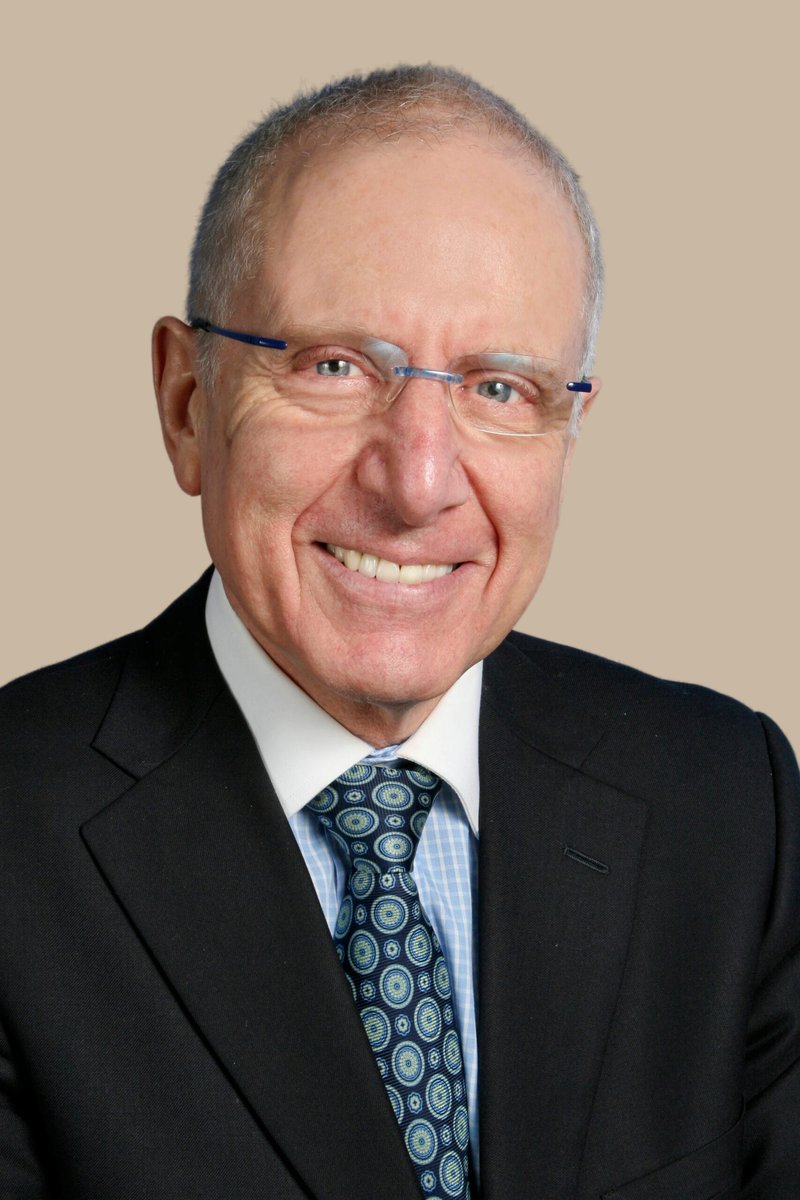
Dr. Marcus trained under Hans Kraus for five years. A board-certified Pain Medicine specialist and Associate Professor in Anesthesiology and Neurological Surgery at Cornell, he has spent more than 40 years applying Kraus's principles to the treatment of chronic pain.
He started the first pain center in New York City, then went on to establish two others, one in Windsor, UK and another at Lennox Hill Hospital. His clinical work with thousands of patients confirmed what Kraus had discovered: muscles are both a common source of chronic pain and among the most treatable. The problem was that the medical system was not training physicians to look for them.
Dr. Hayes came to this work as a chronic pain patient. His own experience led him to Dr. Marcus and to a shared recognition: the absence of muscle pain from medical education was not an oversight. It was a structural gap that required a structural solution.
Together, they founded FRAME to build what had never been built: the research base, the training programs, and the advocacy infrastructure needed to establish soft tissue as a recognized and treatable source of chronic pain.
FRAME aspires to create a new discipline in medicine that recognizes the importance of soft tissue in common pain problems. To that end, the foundation supports research, education, and advocacy. In 2024, FRAME supported a symposium at Weill Cornell Medicine on muscle pain and spine-related conditions, bringing together clinicians across disciplines to advance the field. It was a beginning.
FRAME's board is composed entirely of volunteers, many of whom have been personally impacted by soft tissue pain.
The research needed to transform how chronic pain is diagnosed and treated requires funding from people who understand what is at stake.