

Dr Norman Marcus
Traditional pain care has developed around a system that prioritizes structural findings and standardized treatment pathways. While the approach can be effective for certain conditions, it does not always account for the complex ways muscles, movement patterns, and daily habits contribute to chronic pain.
Millions of people enter the healthcare system each year with the hope to finally understand the source of their pain. Yet many leave with lingering questions, treatments that provide only temporary relief, or care plans that never address the root of their symptoms.
Understanding these limitations is important. Equally important is learning how patients can take an active role in guiding their care.
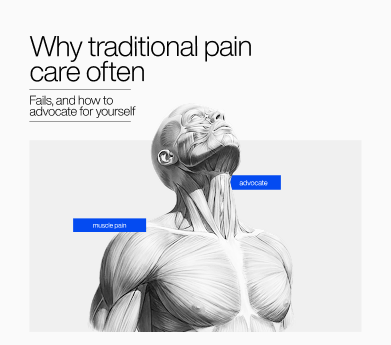
Patients who take an active role in their care often achieve better outcomes. Advocacy does not mean challenging clinicians, it means participating in the diagnostic process and ensuring that all possible contributors to pain are considered.
A simple question can broaden the clinical discussion:
“Could my muscles or movement patterns be contributing to this pain?”
Muscular dysfunction often reveals itself during physical examination rather than through imaging alone.
A comprehensive evaluation should include more than imaging. Patients can ask providers to assess:
Functional examinations often reveal patterns of strain or imbalance that imaging cannot explain.
When imaging results are discussed, patients can ask:
These questions help ensure that diagnostic conclusions align with the patient’s real experience.
When muscular contributors are suspected, patients may benefit from clinicians who specialize in functional evaluation, including:
These professionals can assess movement patterns, posture, and muscle coordination to identify treatable causes of pain.
Muscle-related pain often changes with activity, fatigue, stress, and posture.
Keeping a simple record of:
can provide valuable clues that help clinicians identify muscular contributors more quickly.
Healthcare systems continue to evolve as new research expands understanding of chronic pain. But meaningful progress also depends on patients being informed participants in their care.
When individuals ask thoughtful questions, request comprehensive evaluations, and explore functional contributors to pain, the diagnostic process becomes more complete.
Muscle-related pain is common, diagnosable, and often treatable when properly evaluated.
For many patients, the path to relief begins not with a scan or procedure, but with informed questions and an active partnership in their care.